Home » Services » Cataract Surgery » LenSx
LenSx
Eye surgery is one of the most profound advantages of modern medicine and advanced science. Because of eye surgery, people are able to remain mobile, independent, and self-sufficient in spite of any heredity or age-related degradation of the vision. Cataract surgery, in particular, makes it possible to live a longer and healthier life. At Wichita Vision Institute in Wichita, KS, Dr. Patel is a skilled hand at LenSx, a revolutionary cataract surgery.
What Is LenSx?
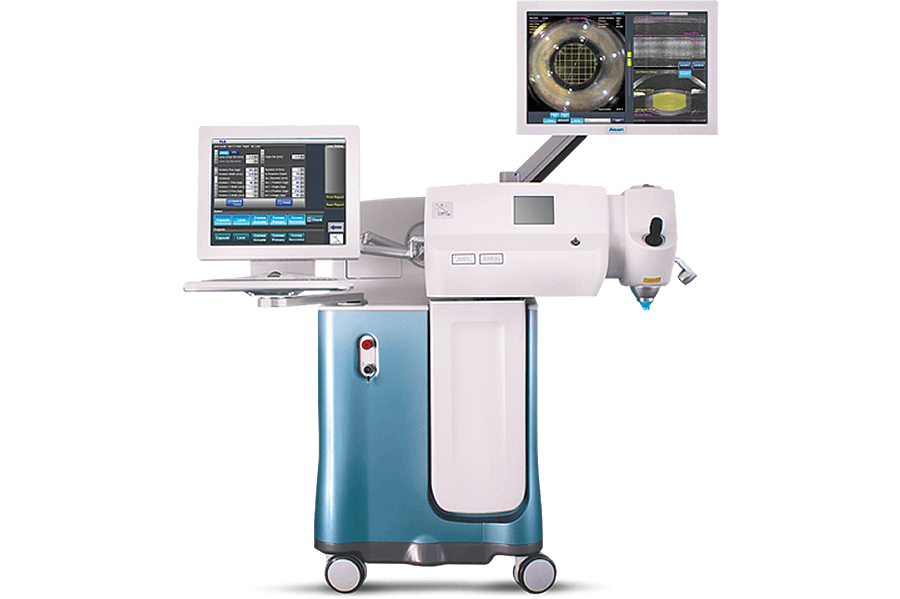
As a cataract surgery, LenSx eye surgery is designed to remove cataracts from the eye and restore vision. Where this procedure differs from other cataract surgeries is its blade-free, laser-only implementation. This is a minimally invasive, computer-controlled, laser treatment for cataracts that can restore vision and enable you to return to leading a normal, self-fulfilling life.
How Does This Treatment Work?
Traditional cataract surgery requires a manual excising and extraction of cataracts with a thin blade, which can be more traumatic to the eye overall and which may take longer to recover from. This treatment, on the other hand, combines the advantages of technology into one seamless and unparalleled treatment.
Using laser technology and computer-guided ultrasound technology, this revolutionary procedure breaks up and extracts all cataracts from the eye, and allows for the installation of an intraocular lens. An intraocular lens is essentially replacements for the natural lens that is removed during cataracts. An intraocular lens is both a corrective and protective measure that concludes your cataract surgery.
A lens is placed over the cornea to help bend and direct light as well as protect more vulnerable parts of the eye. There are several intraocular lenses to choose from that can help correct your vision, including for astigmatism or bifocal, which removes the need to wear prescription glasses following the surgery.
PanOptix Intraocular Lens
PanOptix intraocular lenses are the newest trifocal lens used after cataract surgery for the purpose of correcting vision. A trifocal lens means that the lens has three predetermined focal points that help sharpen vision; close range, medium range, and far range. A trifocal lens helps your retina focus refracted light so you can have better vision. The majority of patients who use PanOptix intraocular lenses have no need to wear glasses for additional vision correction.
Tecnis Toric and Toris II Intraocular Lens
Toric intraocular lenses have a unique design that is ideal for patients who want to correct either astigmatism or distance vision. Toric lenses are also multifocal, meaning they have near, intermediate, and far distance focal points to allow for a fuller range of vision.
And unlike other intraocular lenses, Toric sits closer to the pupil and allows for better vision in low lighting as well as natural blue lighting that helps you see better in the dimness. The vision and light correction of Toric lenses gives you more freedom and better vision – without the need for corrective glasses.
Will You Need a Consultation?
Yes. All patients must attend a consultation appointment with Dr. Patel to determine eligibility for the procedure. Dr. Patel will do a thorough examination of your eye, particularly cataracts and any vision problems, such as nearsightedness or blurry vision, that you indicate. Dr. Patel will discuss how the procedure works and the reasonable expectations you can expect after you are healed.
What Steps Can You Expect From Treatment?
Because this is a surgery, there are several steps involved in the treatment. For example, you will need to arrange for transportation on the day of your surgery and schedule time off from work or other obligations while you are healing. For the surgery itself, you can expect the following steps.
After the intraocular lens have been placed into each eye, the incisions will be closed and the surgery will be complete. You will be taken to a room to rest briefly, and then asked to attend an immediate follow-up appointment at Dr. Patel’s office to assess the surgery.
How Long Does Treatment Take?
Although there are many steps for this procedure, the total length of time the surgery takes is between 20 and 30 minutes. Most patients can complete both the surgery and the immediate follow-up appointment in as little as an hour.
What Is Recovery Like?
Any eye surgery will require some downtime for recovery. The vast majority of patients require at least 5 to 7 days of uninterrupted recovery time before returning to normal daily activities, such as going back to work. Full recovery from cataract surgery will require several weeks before all restrictions and post-treatment instructions are lifted.
Post-Treatment Instructions
After your post-operative exam, Dr. Patel will give you a list of post-treatment instructions for you to follow for the duration of your recovery. These post-treatment instructions are intended to ensure that you recover well from the surgery, especially as your eyes will be very vulnerable in the week following your treatment. Some post-treatment instructions will include:
- Use prescription eye drops
- Wear eye shield while sleeping
- Wear special sunglasses outside
- Avoid eye make-up
- Do not bend or exercise
- Avoid dirt or dust in eyes
- Do not rub eyes
Dr. Patel may give you additional instructions during your post-operative exam. If you have any questions about recovery or recovery limitations, please be sure to contact our office with any questions.
Follow-Up Appointments
You will need to attend several follow-up appointments after your eye surgery, including one on the day of your surgery. You immediate follow-up appointment will allow Dr. Patel to assess how well the surgery went and identify any immediate issues in healing. After this, you will also need to attend follow-up appointments to assess your healing in the weeks that follow your surgery. Many patients see Dr. Patel regularly for a month or more following treatment.
What Results Should You Expect?
Your results from cataract surgery are ideally an overall improvement in your vision, including your distance vision, your light perception, and your depth perception. Because cataract surgery removes cataracts that interfere with your vision, all of your symptoms associated with cataracts should also be removed following treatment.
How Long Do Results Last?
Cataract surgery is intended to last a lifetime. This is because the part of the eye that forms cataracts is cleared and replaced by intraocular lenses, which should not need to be replaced.
Cataract Surgery FAQ
Restore Your Vision With LenSx Cataract Surgery
You don’t have to live with the slow decline of your vision when cataract surgery is available to you. It’s time to take advantage of modern science and fix your vision for good with LenSx. Please contact Wichita Vision Institute in Wichita, KS to schedule your consultation appointment.